



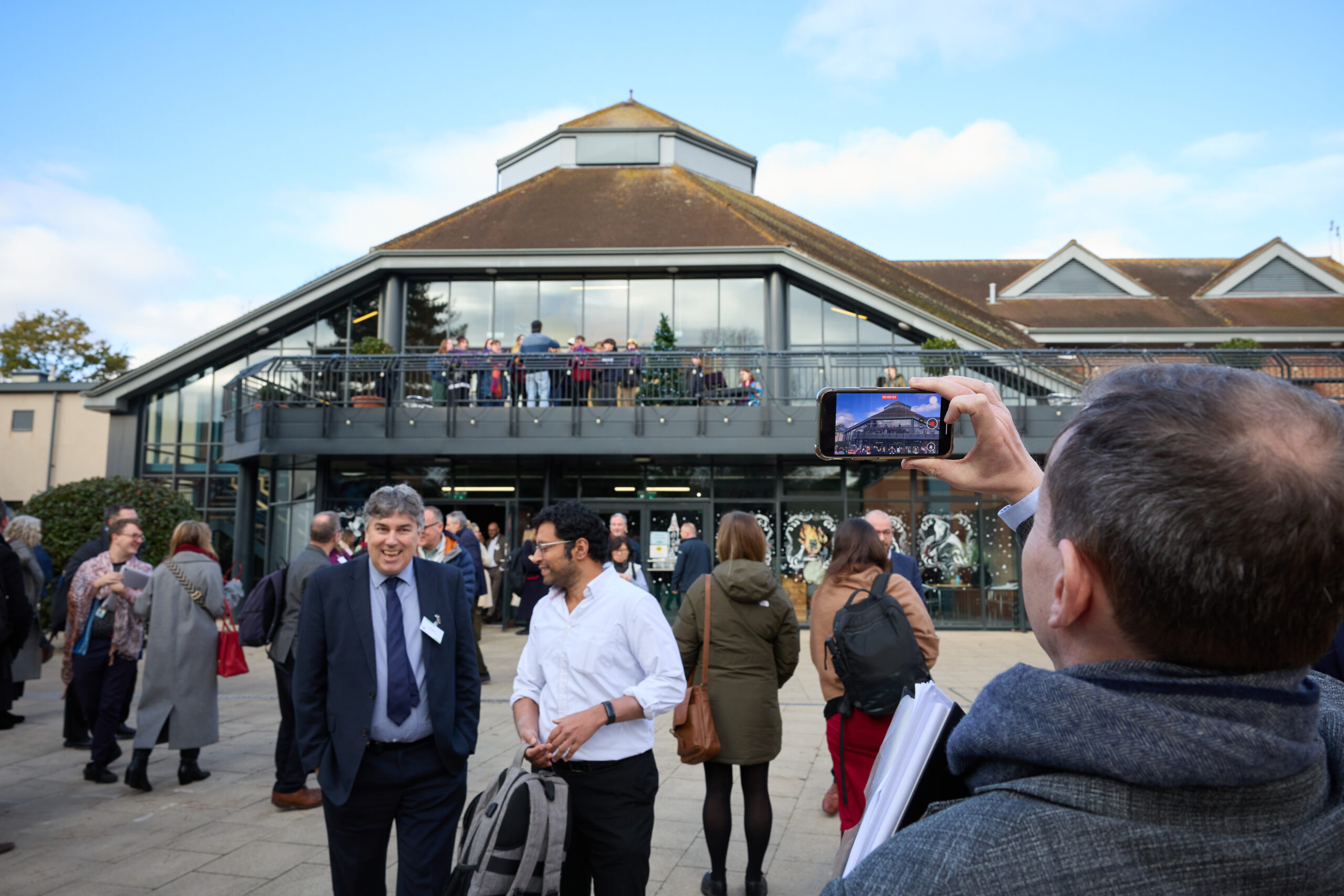
Join our Acting for Screen MA/MFA information webinar
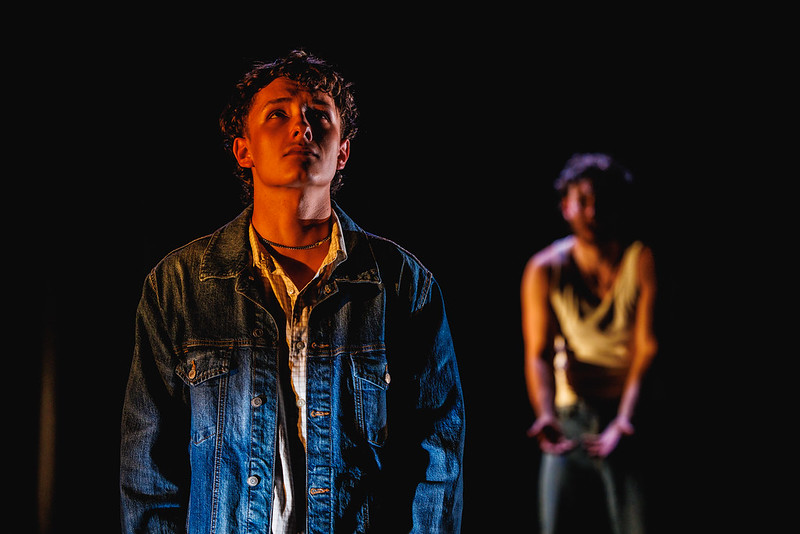
What you'll study
The Acting for Screen MA/MFA is an intensive actor postgraduate training programme focused on performance in digital contexts, including screen, games, audio mediums, and emerging technologies such as XR, VR and AI. The programme develops highly versatile, contemporary performance practitioners equipped to meet the evolving demands of the performance industry. As new technologies continue to reshape the practices of acting and performance-making, this programme invites students to think both creatively and critically about the screens and surfaces upon which contemporary actors are increasingly expected to perform and create work.
The programme approaches acting as an interdisciplinary practice, drawing on a variety of methodologies to develop your core foundation skills — including voice, movement, acting, text, and technique. This core actor training forms the basis of your performance development, expanding your creative toolkit and strengthening your agency as a performer across diverse contexts and settings.
In addition to core acting training, the programme provides specialist training in emerging performance technologies. You will learn to work as both performer and creator, exploring how new technologies can be integrated into performance-making. Working with leading practitioners at the forefront of digital performance, you will develop into a multi-hyphenate performer-maker, able to create original work, collaborate with other artists, and perform in projects led by others.
Alongside practical training, you will engage in study that nurtures you as a critically engaged maker and researcher, working alongside other postgraduate students. Practice-based research is central to the programme and can be explored in multiple forms – embodied, written, devised and performed, supporting the development of a fully rounded, contemporary performance practice.

Programme Breakdown
Module - Practice Research (MA/MFA)
This module introduces advanced practice‑based research in theatre and performance, engaging you with socially, politically and artistically urgent contemporary inquiry. Through a structured transition from collaborative to independent research, you develop interdisciplinary research skills and realise a distinct practice research project, supported by mentorship, project management and public‑facing presentation.
The module prepares you for diverse professional pathways within the creative industries through the generation of new knowledge via performance practice.
Module - Foundations (MA/MFA)
This module leads you on a rigorous exploration of acting practice at postgraduate level, consolidating and extending foundational studio-based training in voice and movement to support you in developing sustained practices throughout the degree, specific screen skills and digital performance skills, to support you in developing sustained practices throughout the degree.
Alongside foundational training in voice and movement, specific screen skills and digital performance skills, to support you in developing sustained practices throughout the degree.
It engages you with a range of approaches beyond psychological realism, including heightened, stylised and postdramatic forms, alongside screen and digital practices, with emphasis on dramaturgical analysis, poetic language and the relationship between text and performance.
Reflective and research informed practice underpins the module, preparing you for professional work across contemporary performance and screen contexts.
Module - Advanced Skills (MA/MFA)
This module develops advanced vocal and physical practice as integrated components of professional actor training, focusing on the relationship between body, movement, voice, breath and emotion. The module deepens engagement with specific screen acting and digital performance skills introduced in the Foundations module to support a sustained and integrated acting and screen acting practice.
Through sustained studio practice and reflective engagement, you develop technical awareness, physical and vocal capacity, and a structured vocabulary of voice and movement, applying these methodologies to character creation within professional performance contexts including screen and digital contexts.
Foundational skills are further enhanced within this module through deployment of innovative and technology-infused techniques; as well as professional preparation sessions led by industry professionals.
Module - Productions (MA/MFA)
This module develops advanced, integrated acting practice through the synthesis of movement, voice, interpretation and rehearsal methodologies. It emphasises professional standards, collaborative working and critical reflection, preparing you for the demands of rehearsal and performance across live and recorded media.
Productions involve the creation of a digital artefact, including but not limited to a film and/or hybrid live and digital practices, centring the needs of students in relation to diverse and changing screen industries.
Productions vary each year in terms of form and content to ensure they are relevant to the contemporary demands of screen and digital performance and offer you the best opportunity to learn and develop and meet the learning outcomes and will be confirmed at the start of each academic year.
The module involves dedicated time for professional preparation activity, collaborating and working with a director on a fully-realised digital production, and developing a digital showcase.
Module - Advanced Research Project, Part 2 (MFA)
The second part of the Advanced Practice Research Project spans the full MFA year, building on earlier modules through independent practice research, professional placements, and an intensive research and development phase leading to a final presentation at the Postgraduate Degree Show.
It emphasises practice research as rigorous knowledge production, developing your skills in documentation, practice–theory articulation, and professional presentation.
Module - Performing Archives (MFA)
This module explores how performance is archived, how documentation can generate new interpretations of past work, and how archives shape cultural memory.
\you will engage critically with theories of liveness and embodied knowledge while using archival materials to create contemporary practice.
Module - Performance Futures (MFA)
This module examines key questions facing contemporary performance and how practitioners respond to cultural, political and social issues. You will use interdisciplinary research and practice to explore how performance can rehearse alternative ways of living and imagining the future.
Programme Specification
Programme Specification – Acting for Screen MA
Programme Specification – Acting for Screen MFA
Why choose this course
Expert training
You'll be taught, guided, and mentored by internationally renowned practitioners, enabling you to refine your skills, expand your creative toolkit, and take ownership of your development as an innovative, multifaceted theatre and digital performance maker.
World-class facilities
Train in state-of-the-art facilities, including purpose-built rehearsal and movement studios, versatile performance spaces, and fully equipped theatre venues. Rose Bruford College was the first Performing Arts institution in the UK to feature a cutting-edge XR stage.
Collaborative ethos:
You’ll work alongside artists from diverse disciplines and students from around the world with varied interests, developing the ability to exchange ideas and collaborate across different practices, approaches, and areas of expertise.
Industry Contacts and Networking:
You will work directly with leading performing arts practitioners, gaining valuable industry contacts and building a professional network within your cohort and across the wider performing arts sector.

MFA
Master of Fine Arts (MFA) – Second Year
Students who wish to extend their postgraduate studies can progress to an additional MFA year, dedicated to advancing artistic practice and research.
What the MFA Year Offers
- A creative laboratory where students shape their professional identity and explore bold new approaches to performance.
- Opportunities to combine independent practice-based research with placements at leading arts organisations.
- Direct engagement with the urgent issues, ideas, and debates shaping contemporary performing arts.
Collaboration and Community
- Work with artists, scholars, curators, and activists across theatre, live art, museums, galleries, and other cultural settings.
- Develop ambitious performance projects with the support of academic mentors.
- Take part in research events and networking sessions, contributing to Rose Bruford College’s dynamic postgraduate community.
Core Focus
- Interdisciplinary and collaborative approaches, centred on emerging theatrical and performative forms.
- Practice-based workshops designed to generate ideas for research and imagine new futures for performance.
- Exploration of:
- Creative documentation and archiving
- Performance’s role within communities
- Art as a catalyst for social change
Critical Perspectives
- Situate contemporary practice within:
- Histories of key venues and festivals
- The relationship between artistic and political agendas
- The impact of cultural policy in the UK and internationally
- Use theory as a practical framework, linking artistic work to its political, cultural, and historical contexts.
Graduate Outcomes
By the end of the MFA, students will:
- Develop innovative, forward-looking visions for their chosen field.
- Position their work within broader cultural and historical currents.
- Be equipped with the skills and perspectives to thrive as artists, researchers, and cultural leaders.

More about the course
Throughout the year, you will benefit from:
- Performance opportunities: in-class études, shorter R&D projects, public- and industry-facing productions staged by professional directors, and a digital showcase.
- Professional preparation: sessions with casting professionals, agencies, headshot photographers, self-tape producers, theatre producers and directors, digital artists, and other industry specialists.
- Skill development: honing existing performance skills while exploring new practices, equipping you to work confidently across stage, screen, and emerging performance mediums.
- Future-facing performance: experience with innovative opportunities including VR/XR, AI and Machine Learning, gaming, audiobooks, devised, site-specific, and immersive work.
Who is the programme for?
The programme is designed for a diverse range of learners – whether you are a recent graduate looking to continue your studies, an experienced practitioner seeking to enhance your skills and gain a competitive edge, or someone from a different field aiming to transition into the performance industry, particularly with a focus on enhancing your digital and screen performance and making skills.
The programme also provides a strong foundation for advanced academic research, equipping you with the skills and knowledge necessary to pursue a PhD or related research degree.
Careers
The programme specifically prepares students for careers in gaming, online projects and content creation, VR and XR art and performances, as well as the development of innovative digital work.
However, our graduates are also expected to pursue careers both within the performing arts and in entirely different sectors. They may engage with a wide range of performance forms, from traditional theatre to experimental work, contributing to collaborative projects or developing their own creative initiatives.
The programme also provides a strong foundation for advanced academic research, equipping you with the skills and knowledge necessary to pursue a PhD or related research degree.
How to Join
Deadline to apply: 31 August 2027
Application and self-tape
When you submit your online application, you will be asked to submit an application form with digital self-tapes, no more than two minutes each, performed in English:
- A Contemporary speech from a play (1960 onwards) OR A Classical speech from either a Shakespeare or Jacobean play.
- An example of digital practice or performance you have been in or you have made. This could be a speculative project, and does not need to be a fully realised piece.
Audition
If successful you will be invited to attend an audition, these are primarily online with some on campus options.
Institution code: Not applicable
Course code: Not applicable
Entry requirements
Applicants for Masters programmes will be expected to have a good undergraduate degree in a related subject area. The College also encourages applications from those without formal qualifications who may be accepted based on professional experience.
Application for 2026/27 entry is now closed
Please get in touch with us at [email protected] for information on entry criteria if you are applying from outside the UK. You can also visit our international students page.
Course Summary
Duration
13 month MA, 24 month MFA
Mode of study
Full time
Start date
October 2027
Course Type
Postgraduate Course
Course Fees (2026 Entry)
UK & Republic of Ireland Students - MA
£19900
International Students - MA
£25600
UK & Republic of Ireland Students - MFA
£25950
International Students - MFA
£36500
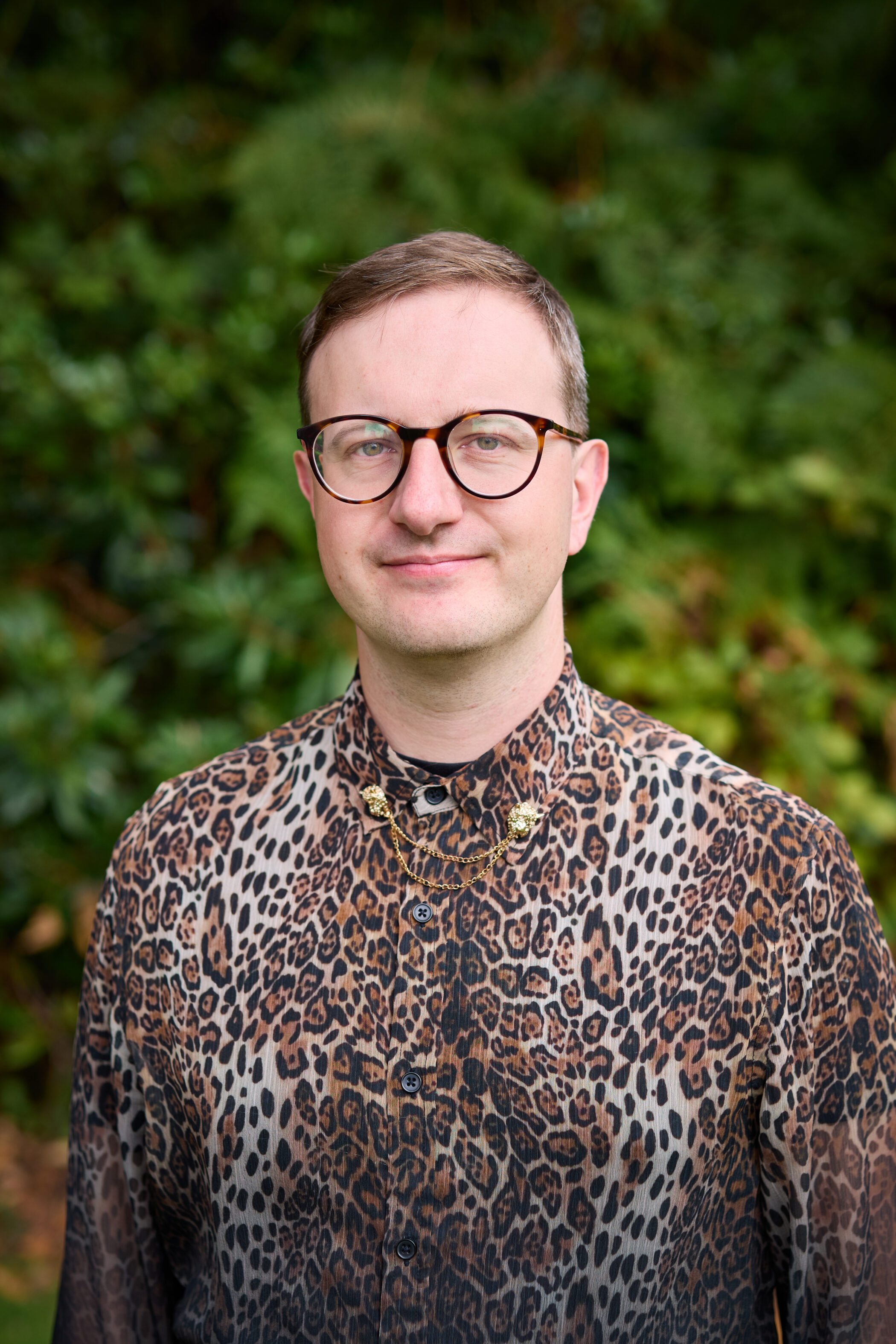
Head of Research and Postgraduate Provision, Associate Professor
Read their full profile–